Nature Rattles: A Forest-Inspired Creative Workshop
Love this project, it’s simple, sensory, and so meaningful 🌿
There’s something magical about turning natural materials into music.
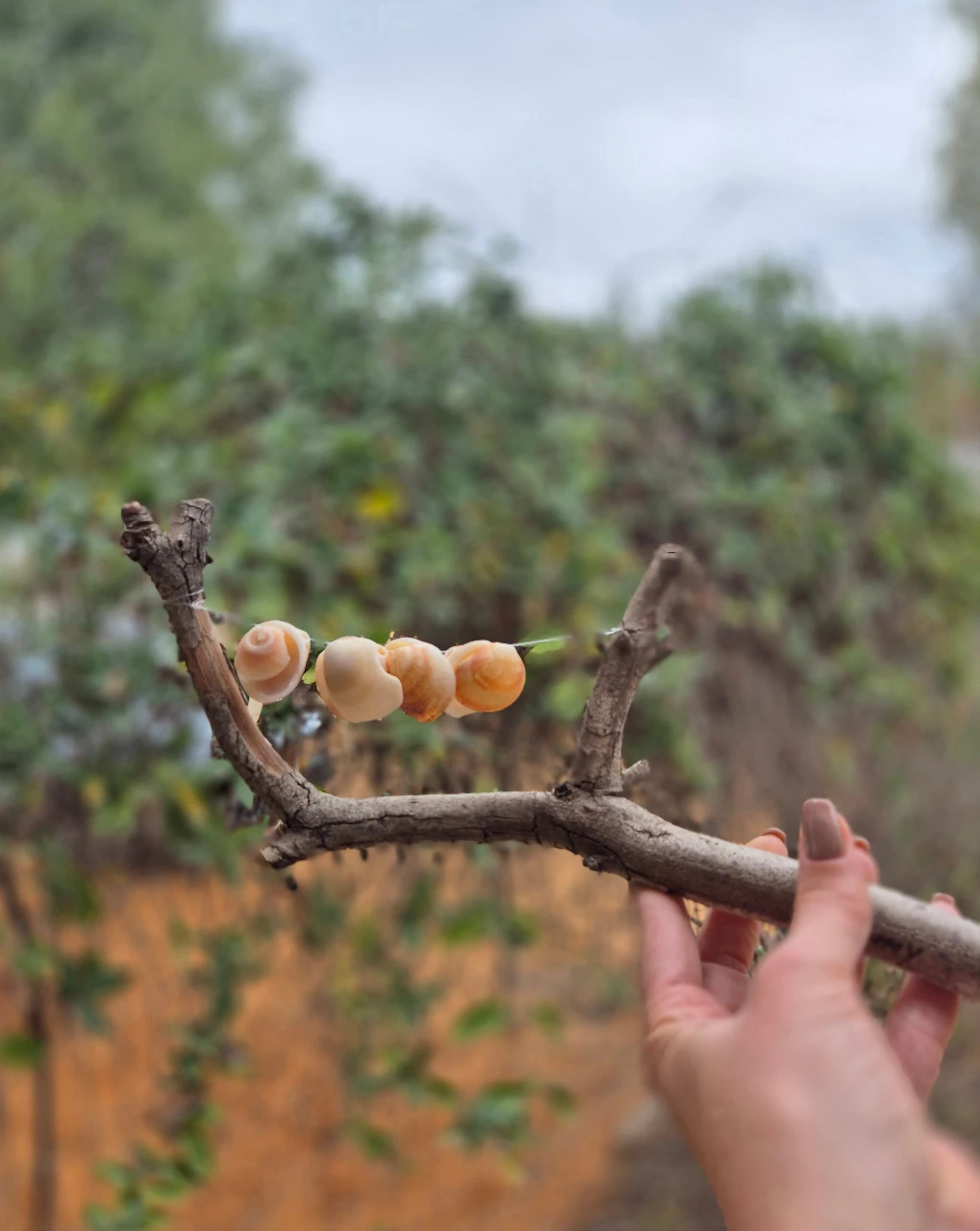
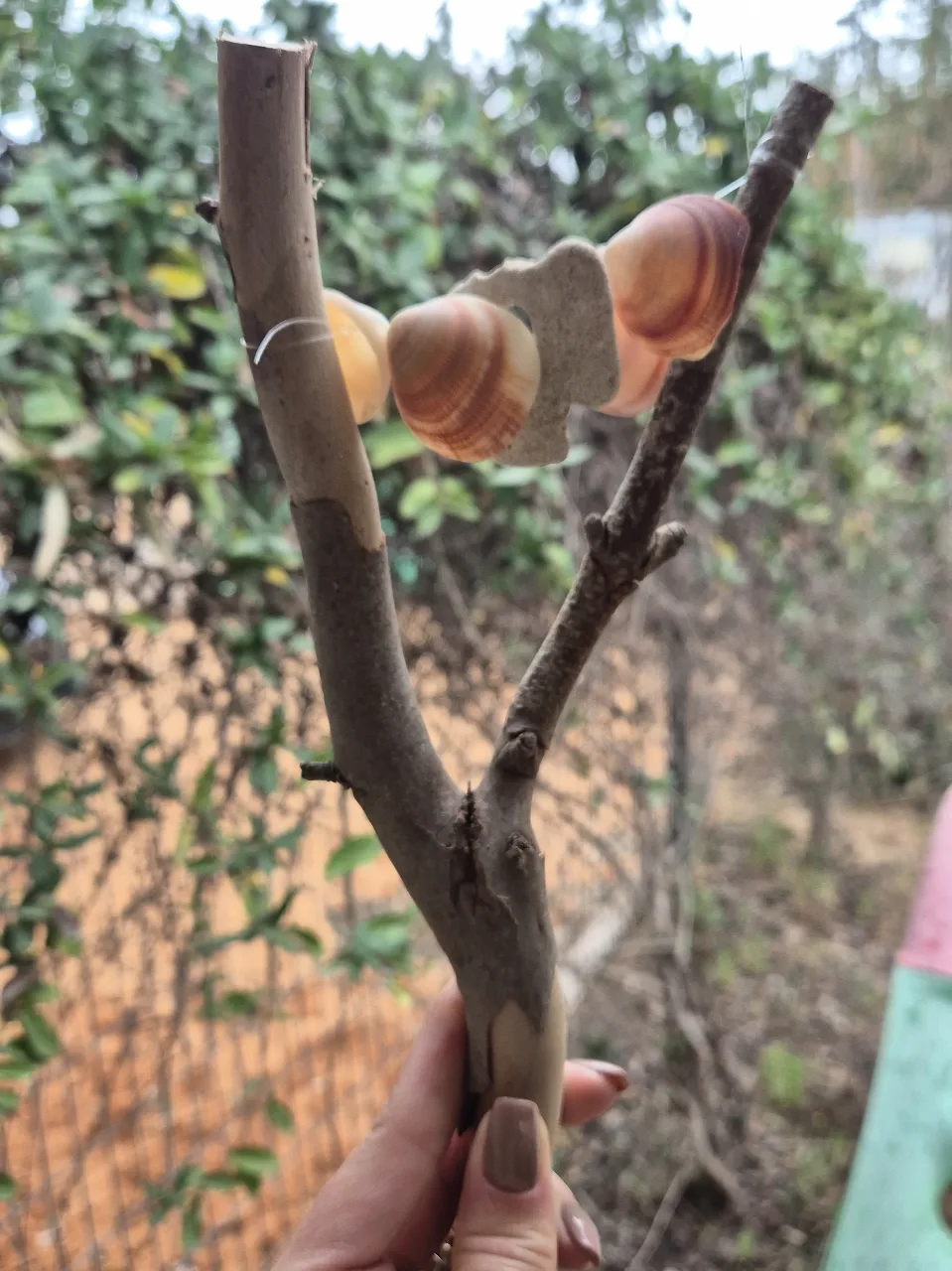
For this activity, we headed out to the forest to collect branches. The key was to look for branches shaped like a “Y”, like a slingshot. This shape is important because it allows you to stretch a string tightly between the two upper ends. The structure itself becomes the frame of the rattle.
The outdoor collecting part is not just preparation, it is part of the learning. Children explore, compare shapes, make decisions, and connect with nature. They learn to notice details: Which branch is strong enough? Which one has the right angle? Which feels good in the hand?
Step 1: Collecting in Nature
Go on a nature walk and invite the children to search for Y shaped branches. This builds observation skills, patience, and problem solving. It also gives them a sense of ownership from the very beginning.
Step 2: Workshop Time
Back in the carpentry workshop, we sanded the branches to make them smooth and safe. We trimmed, shaped, and refined them. This stage strengthens fine motor skills and hand eye coordination, while also teaching care, responsibility, and respect for tools.
Step 3: Threading the Shells
Next, we threaded seashells onto fishing line. The children practiced fine motor skills, sequencing and precision as they carefully inserted each shell. Once ready, we tied the fishing line tightly across the two ends of the branch.
When shaken, the shells gently hit each other and create a beautiful, natural sound. Each rattle is unique, just like the child who made it.
Emotional and Cognitive Value
This activity supports children on multiple levels:
Emotional development
• Builds confidence through completing a real, tangible project
• Encourages patience and persistence
• Strengthens connection to nature
• Creates pride and ownership
Cognitive development
• Problem solving, finding the right branch shape
• Planning and sequencing, collecting, sanding, threading, tying
• Fine motor control and bilateral coordination
• Understanding cause and effect, movement creates sound
Sensory integration
• Touch, wood texture and shells
• Sound, natural rattling tones
• Movement, shaking and rhythm
This is more than a craft.
It is a full process experience, from forest to finished instrument.
And perhaps most importantly, it teaches children that nature is not just something we look at. It is something we can respectfully create with.