
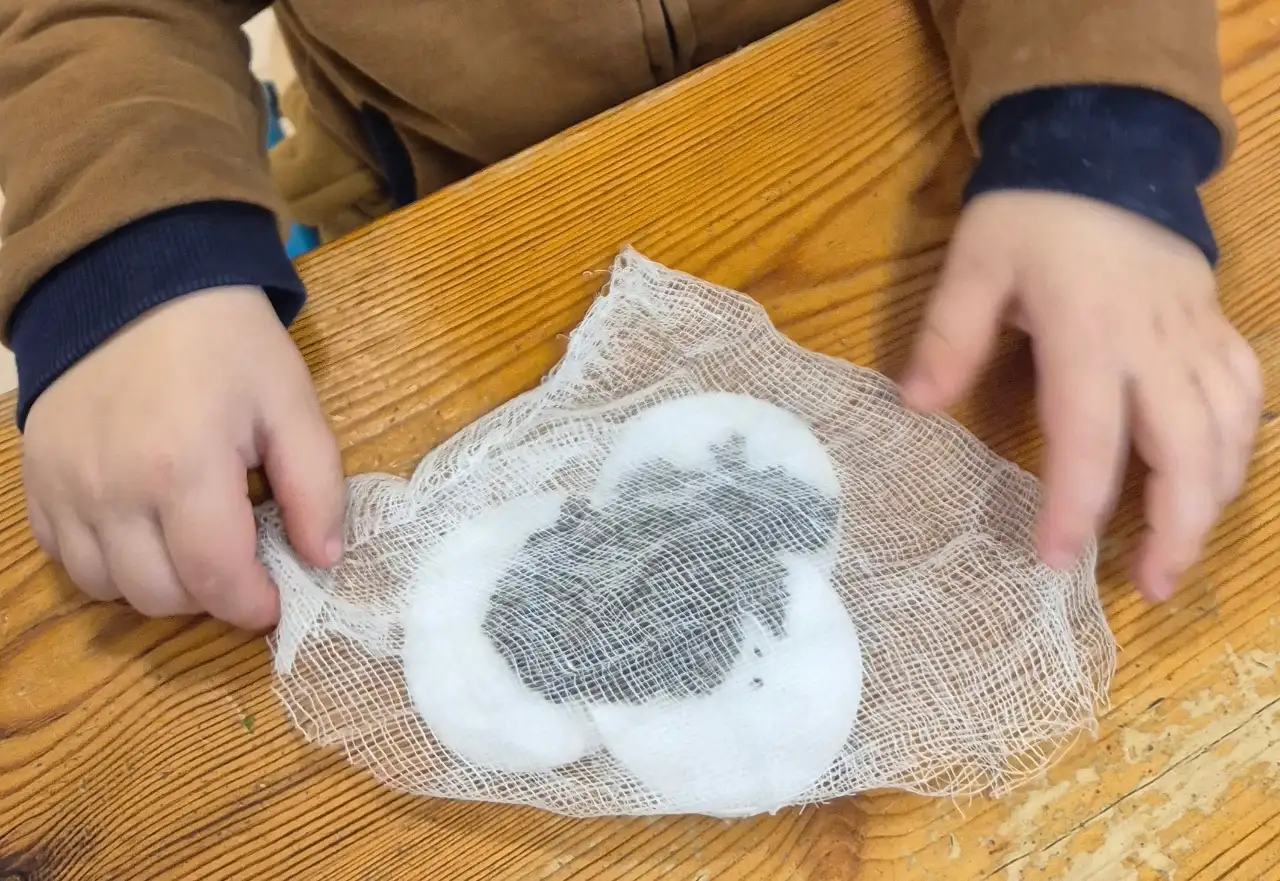
Tu Bishvat Chia Pads 🌱
This Tu Bishvat activity offers children a hands-on opportunity to explore growth, responsibility, and patience through direct experience. By planting and caring for chia seeds, children become active participants in a real-life learning process, observing how small actions lead to visible change over time.
The Educational Rationale
Young children learn best through concrete experiences. This activity introduces early science concepts such as plant growth, cause and effect, and life cycles in an accessible and meaningful way. Linking the activity to Tu Bishvat strengthens children’s connection to nature and reinforces values of care, sustainability, and respect for living things.
Skills Children Develop
Throughout the process, children practice and strengthen several key skills:
●Observation and curiosity as they notice daily changes and growth
●Fine motor skills through sprinkling seeds and spraying water
●Responsibility and consistency by caring for the seeds each day
●Patience and emotional regulation while waiting for results
●Language development through discussions about growth, water, roots, and sprouts
The Process
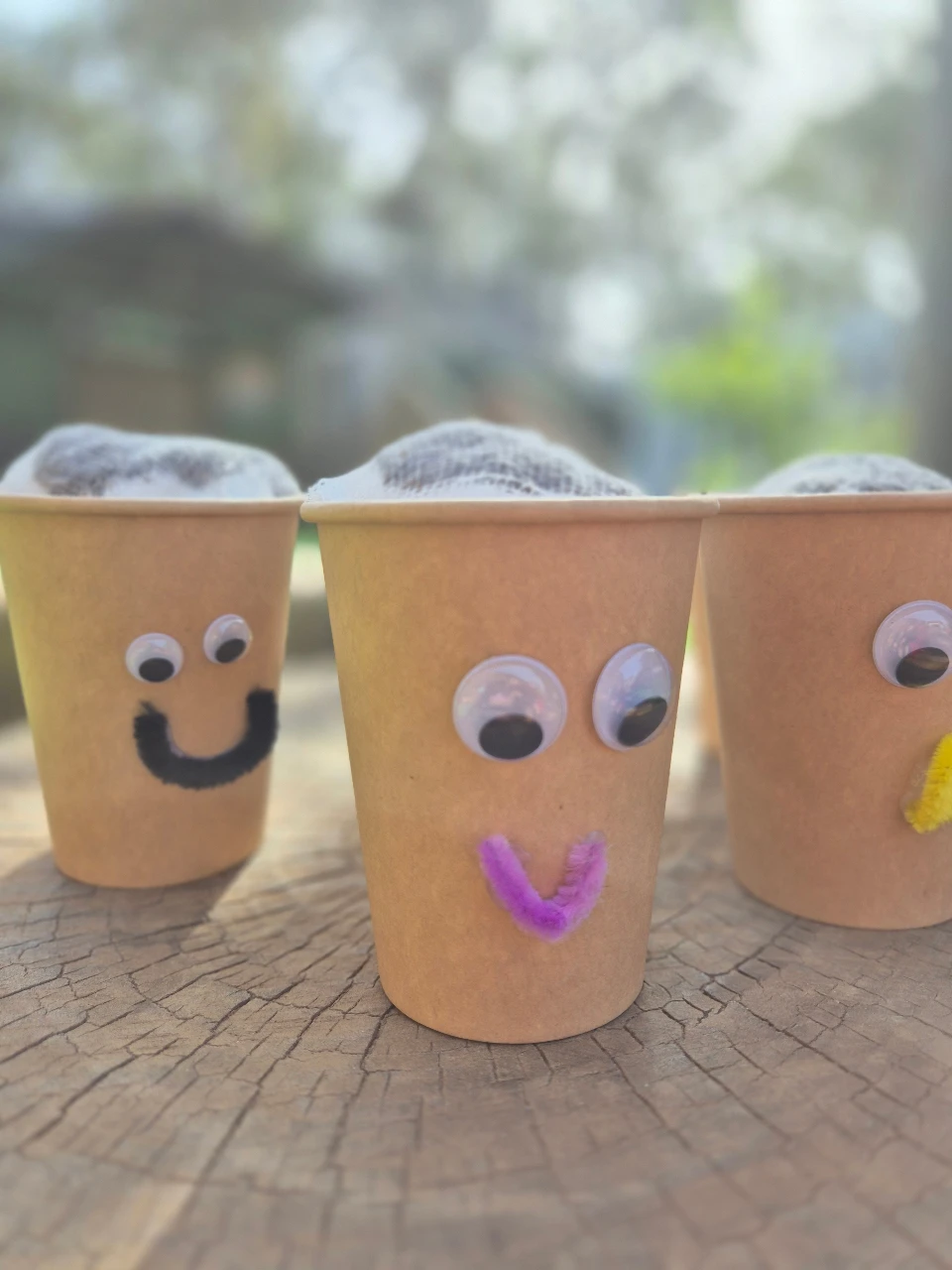
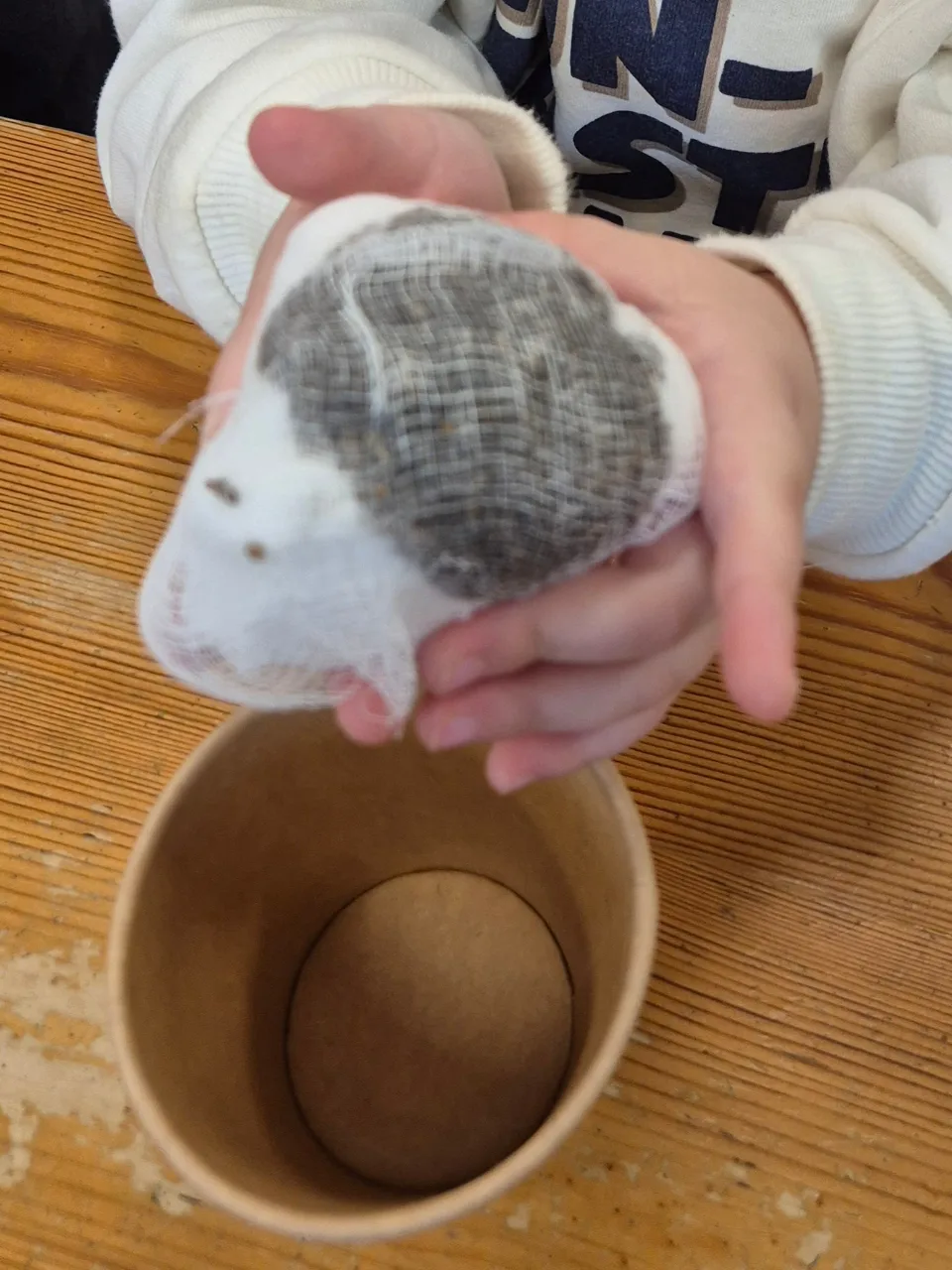
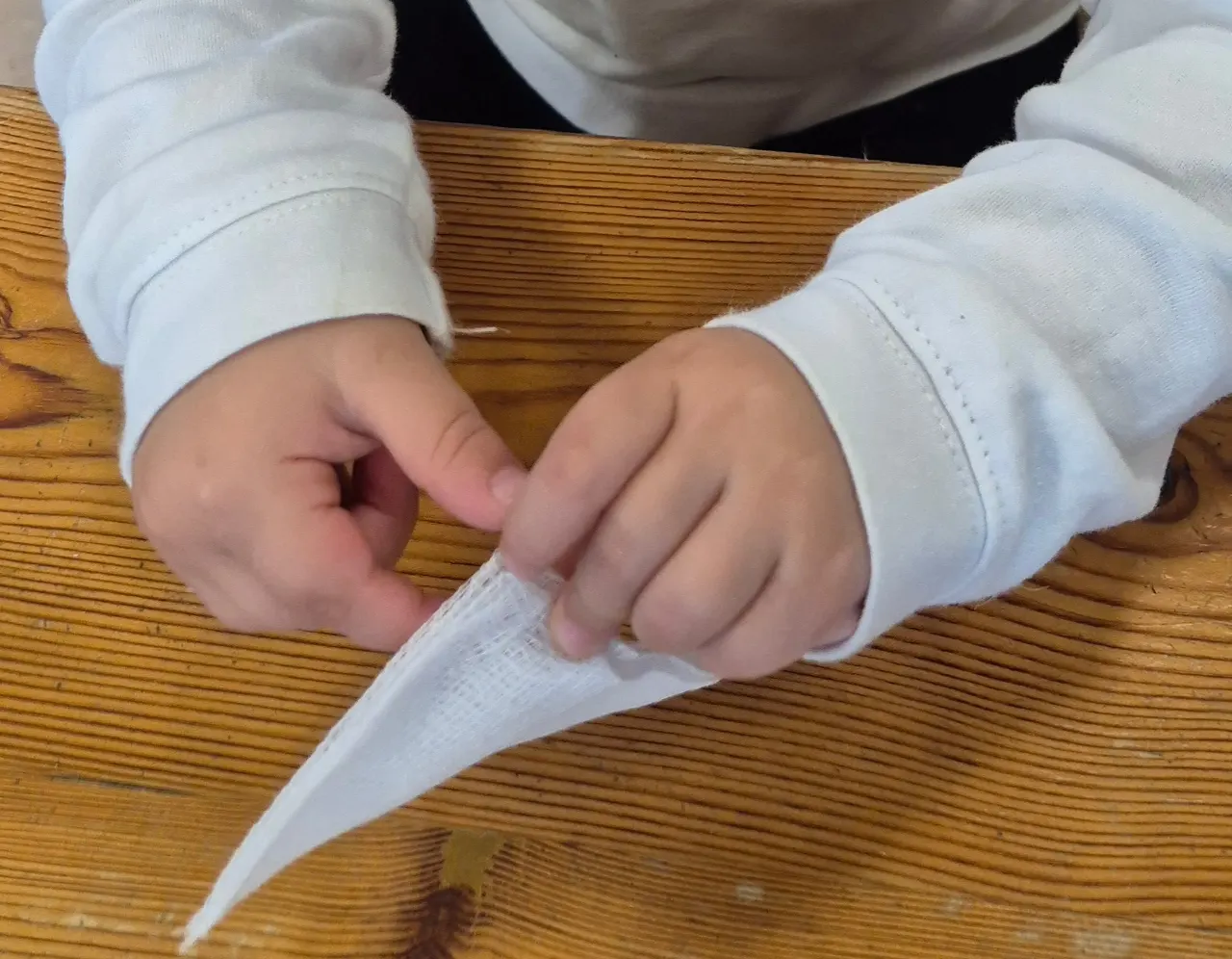
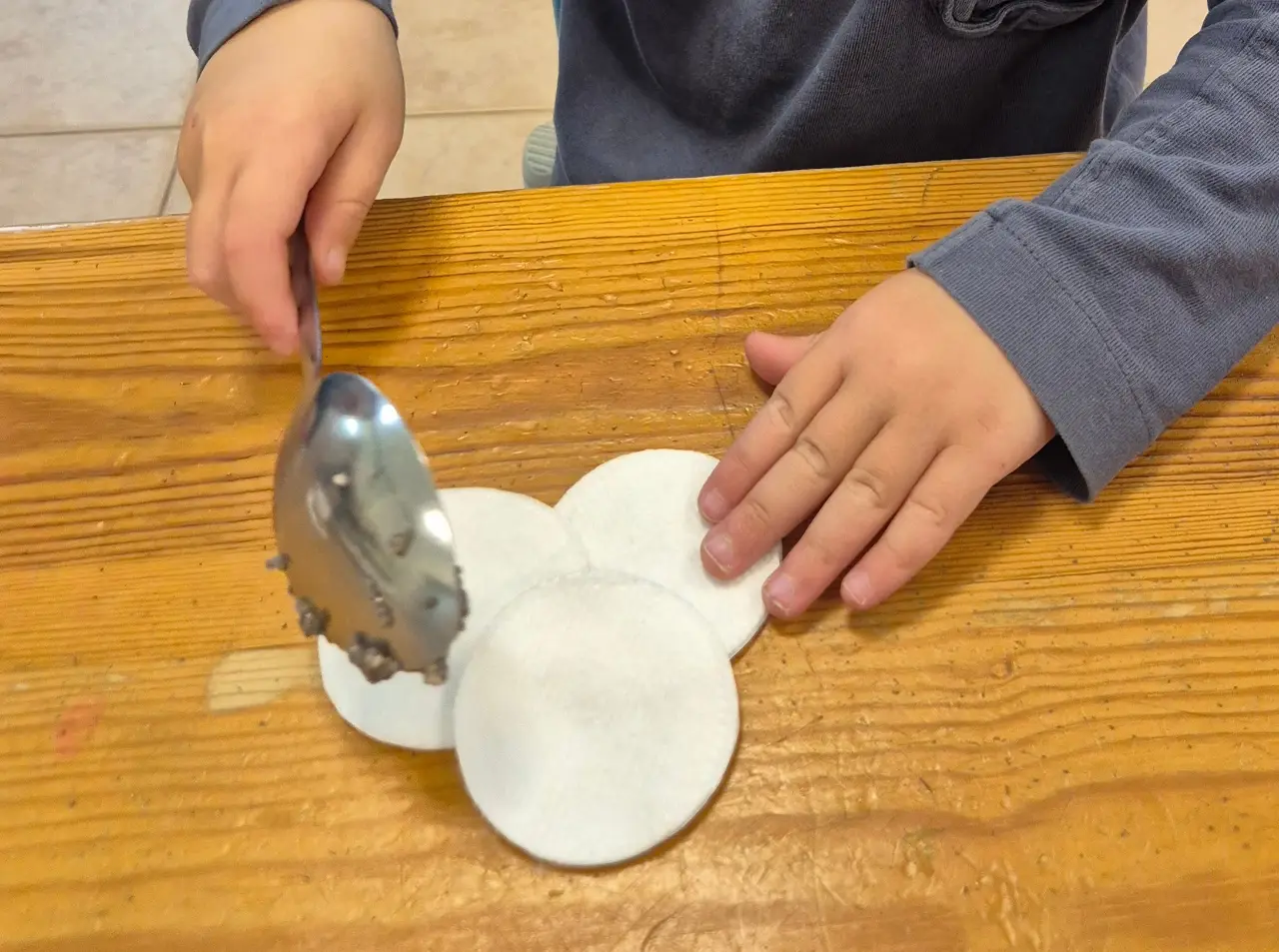
We began by placing wet chia seeds on cotton pads. A layer of gauze, or even a nylon stocking, was placed on top to help keep the seeds in place. Underneath, we added a generous amount of regular cotton wool to serve as the growing medium. The entire structure was wrapped gently in gauze and placed inside a paper cup.
Each day, the children sprayed water onto the seeds and carefully observed the changes. Day by day, they noticed the seeds swelling, sprouting, and developing into green shoots.
This daily routine encouraged mindfulness and helped children understand that growth takes time, care, and consistency.
Tips for Home and Classroom Use
Keep the cotton moist but not soaked
Place the cups in a bright area with indirect light.
Invite children to check and water the chia heads daily
Encourage conversation by asking open-ended questions such as, “What changed today?” or “What do you think will happen tomorrow?”
This simple activity transforms Tu Bishvat into a meaningful learning experience, nurturing both scientific thinking and emotional growth, while reminding children that just like plants, we all grow step by step.