
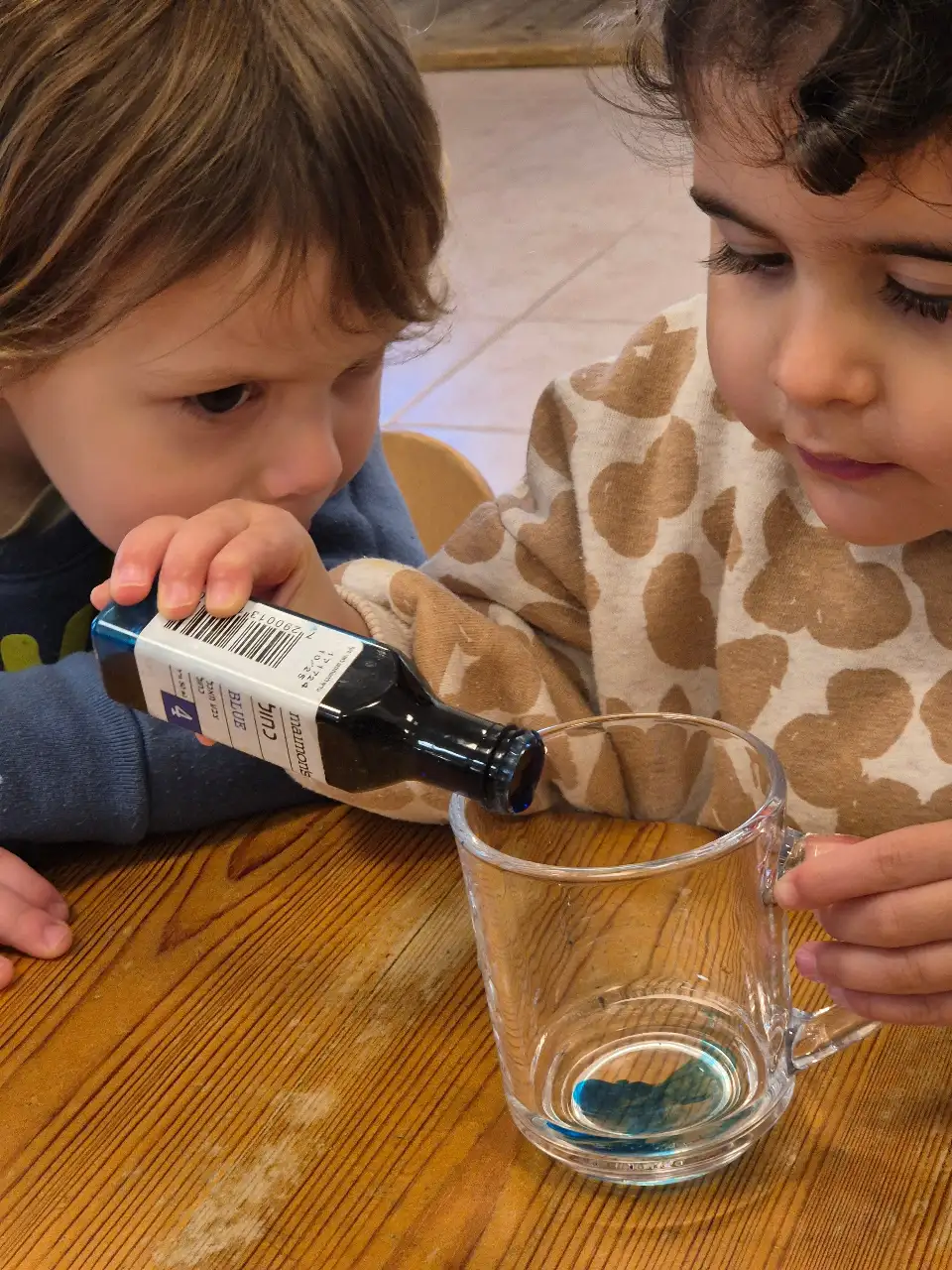
Rain Cloud in a Jar
A Simple and Magical Science Experiment for Kids
A Cloud in a Jar experiment is a beautiful, hands-on way to help children understand how rain forms. It is visually engaging, easy to set up, and perfect for classrooms, home learning, or science corners in early childhood settings.
What You’ll Need
● A clear glass jar or transparent container
●Water
● Shaving cream
●Blue food coloring or liquid watercolor
●A small cup or dropper
How to Set It Up
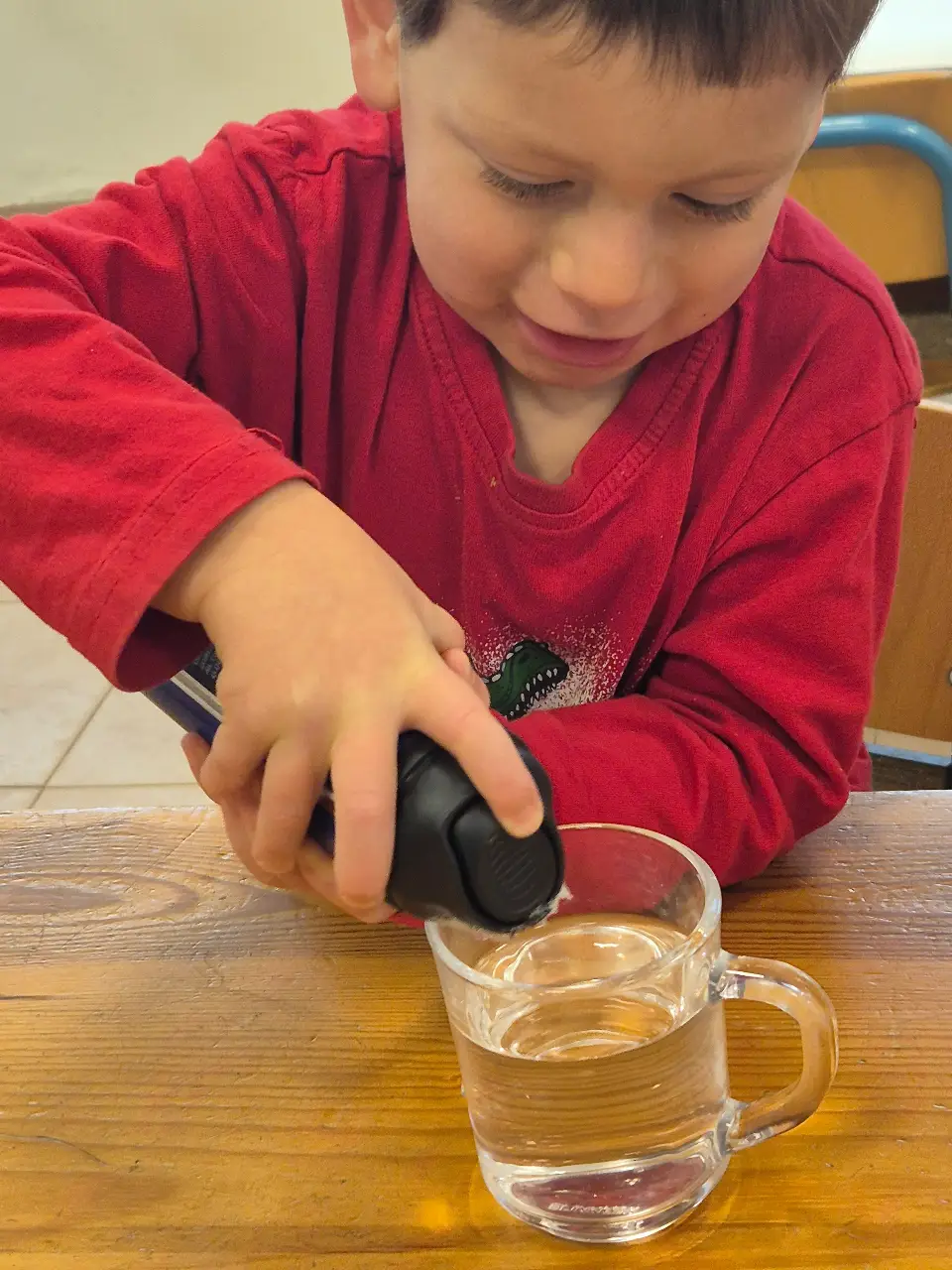
Fill the jar about three quarters full with water. This represents the air in the atmosphere.
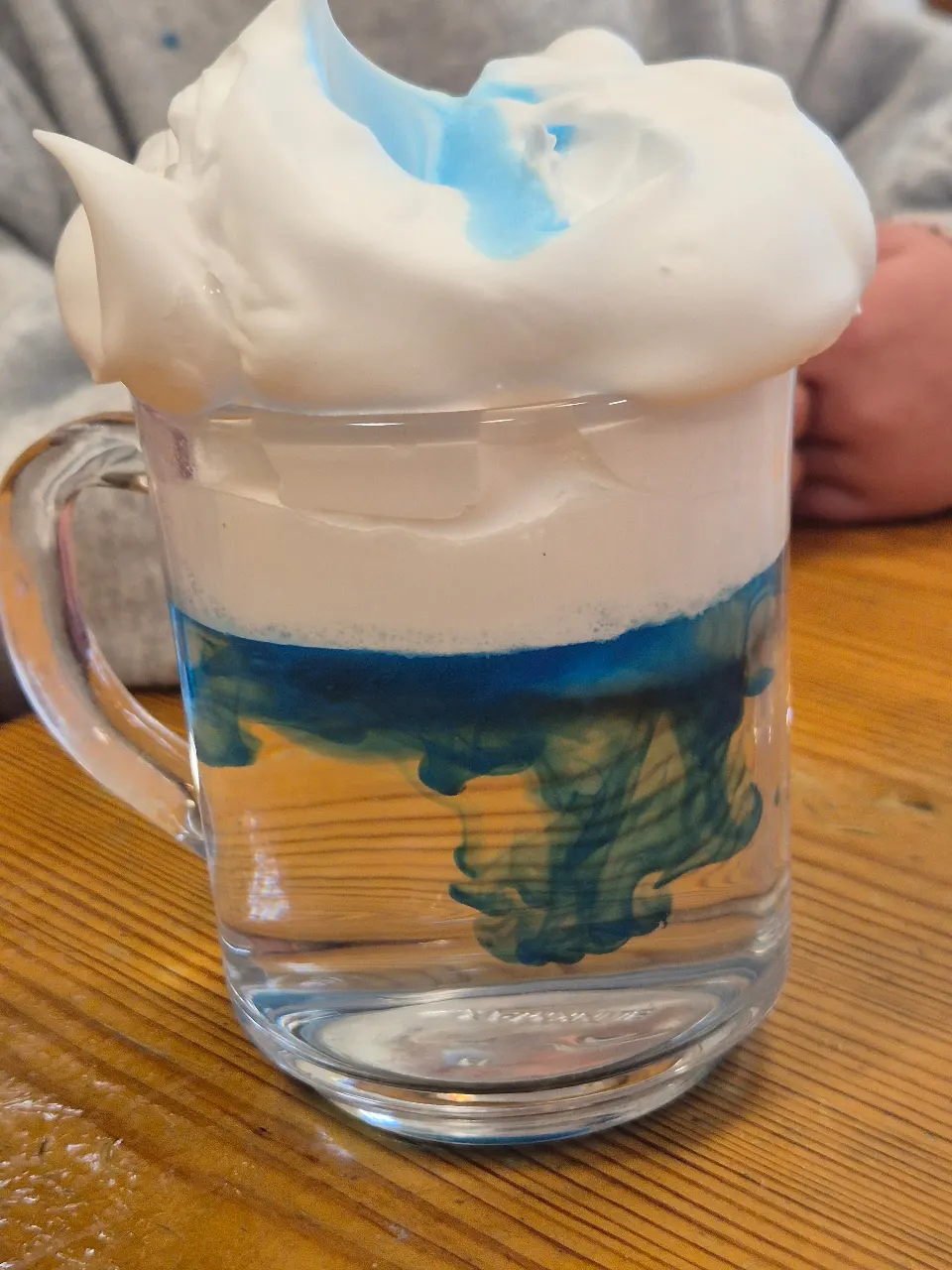
Gently add a thick layer of shaving cream on top of the water. This is your cloud.
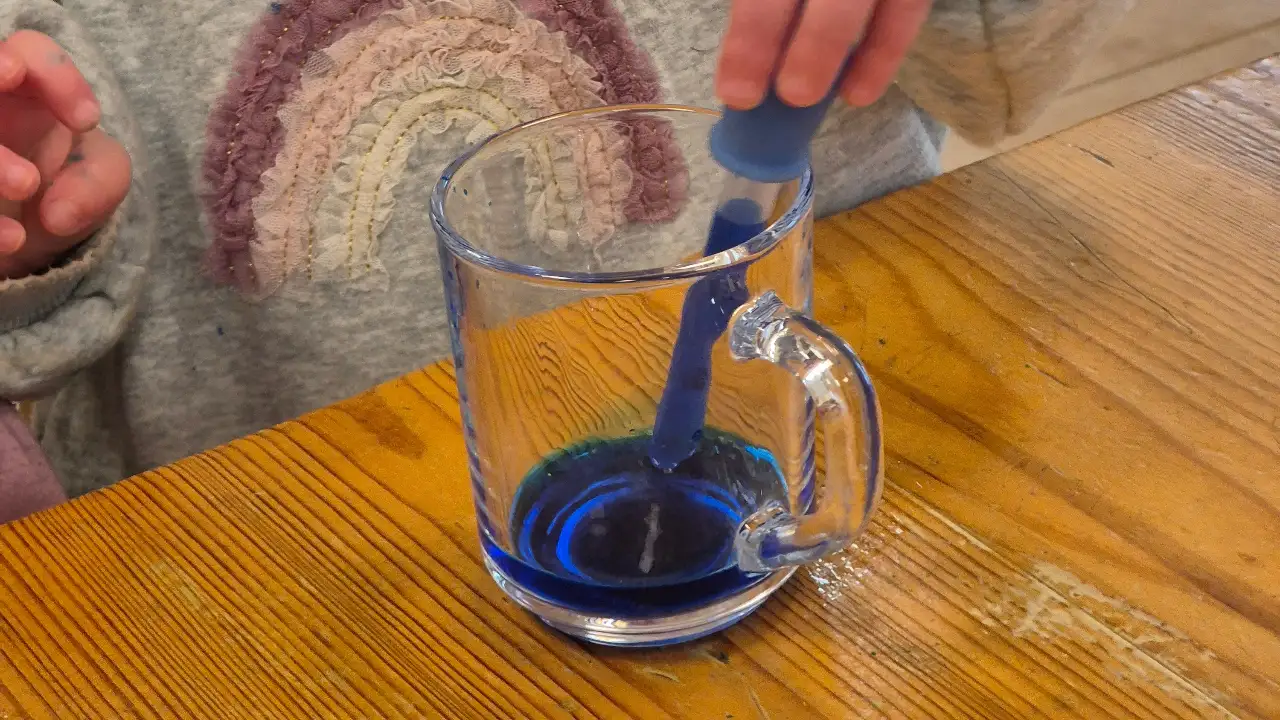
In a small cup, mix a few drops of blue food coloring with a little water.
Using a dropper, slowly drip the colored water onto the shaving cream cloud.
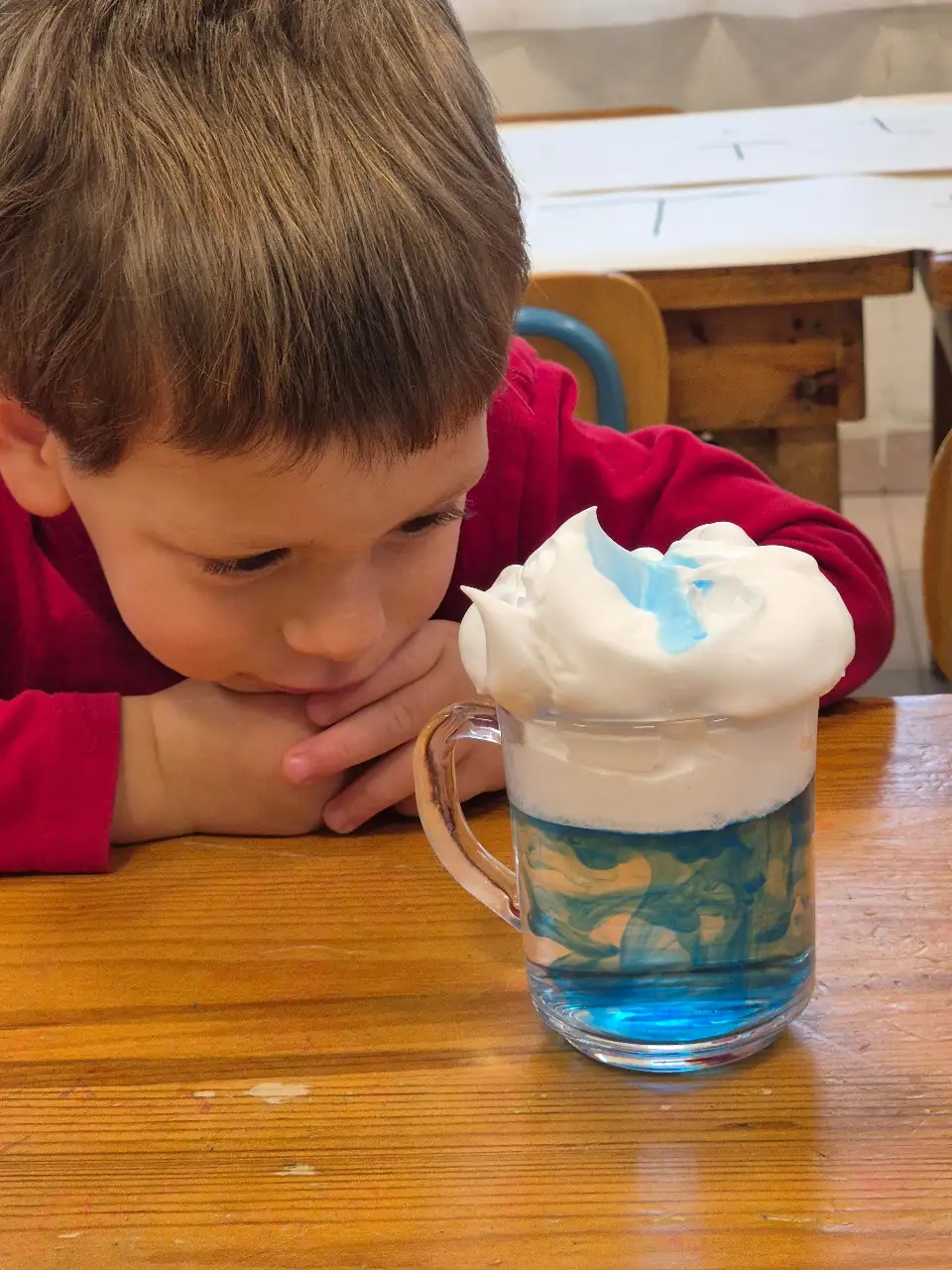
Watch closely as the color slowly moves through the cloud and begins to fall into the water below, just like rain.
What’s the Science Behind It
In the real world, clouds are made of tiny water droplets that gather in the sky. As more moisture collects, the cloud becomes heavier. Eventually, it can no longer hold all that water, and gravity pulls it down as rain.
In this experiment:
● The shaving cream represents a cloud
●The colored water represents rain
●When the “cloud” becomes too full, the water falls through, just like rain.
This simple experiment helps children visualize an abstract process in a concrete, memorable way.
Why Kids Love This Experiment
• It feels a bit like magic
• There is no mess or complicated setup
• It encourages observation, curiosity, and prediction
• It opens the door to conversations about weather, seasons, and the water cycle
Extension Ideas
• Try different colors to represent heavier rain
• Ask children to predict what will happen before adding the color
• Connect it to a book or discussion about clouds and weather.
I always love to pair this experiment with the book “How Does Rain Fall?” by Eric Carle.
Reading the story helps children connect the visual experiment to real-world science and introduces the water cycle in a simple, child-friendly way.
After reading, talk together about where rain comes from, how clouds form, and how water moves from the sky to the ground and back again.
This combination of hands-on exploration and storytelling supports deeper understanding and makes the concept of rain and the water cycle more meaningful and memorable for young learners.
This experiment is a wonderful example of how simple materials can lead to meaningful scientific learning, especially when children are free to observe, wonder, and explore at their own pace.